Singapore Window Parts Guide
Most people describe the symptom, not the component — which is fine. This page is for when you want to check a quotation, or find out what the contractor just said.
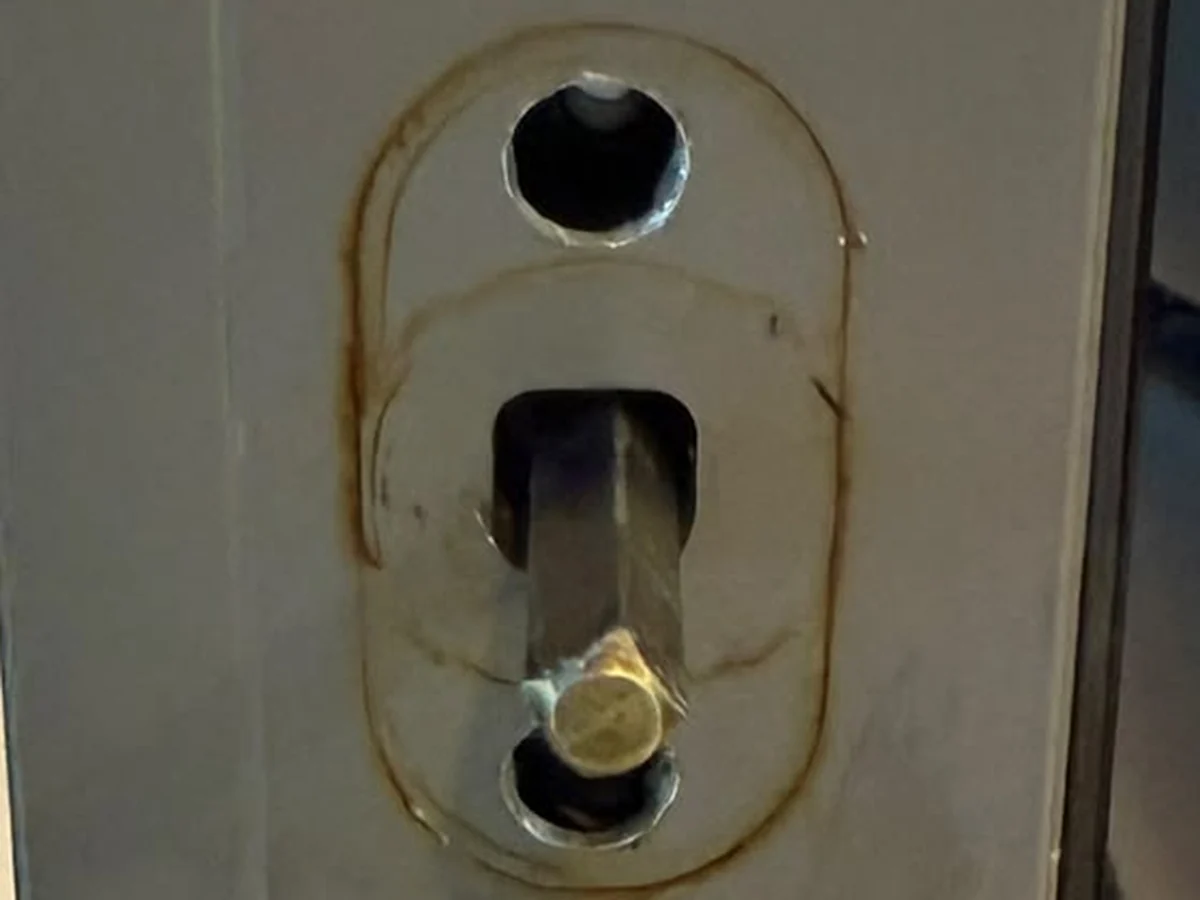
What are the main parts of a Singapore aluminium window?
The working parts are the handle, the latch and its keeper, the friction stay or hinge that carries an opening sash, the rollers and track on a sliding panel, the rubber gasket that seals the sash, the glazing bead that retains the glass, and the drainage slots that shed collected water. Almost every common window fault traces back to one of these wearing out.
| Part | What it does, and what happens when it fails | Repair |
|---|---|---|
| Window handle | The lever you turn to open a casement, top-hung or awning window. It drives a spindle through the sash. Handles wear at the spindle and work loose at the screws. | Window Handle Replacement |
| Latch and keeper | The catch on the sash and the plate on the frame that it engages. When these stop lining up the window will not lock, even though nothing is broken. | Window Lock and Latch Repair |
| Flush bolt | A sliding bolt set into the edge of a sash, used where two sashes meet or to secure a secondary panel. It jams when the alignment shifts. | Window Lock and Latch Repair |
| Friction stay | The stainless steel scissor arm along the edge of a casement sash. It guides the sash open and grips it so it holds position. It is a load-bearing safety part. | Window Friction Stay Replacement |
| Hinge | The pivot carrying a side-hung or top-hung sash. Corrosion at the knuckle or fixings causes sagging and binding. | Window Hinge Repair |
| Roller | The small nylon wheel under a sliding panel that lets it run on the track. Rollers wear flat, seize, and are the usual cause of a stiff sliding window. | Sliding Window Roller Replacement |
| Track | The bottom and top channel a sliding panel runs in. Grit packs into it; the running lip wears. New rollers on a worn track do not last. | Sliding Window Roller Replacement |
| Gasket or rubber seal | The rubber that seals the sash against the frame and the glass into the sash. Singapore heat and UV harden it, then it shrinks from the corners. | Window Rubber Seal Replacement |
| Glazing bead | The strip that retains the glass in the frame. It is removed and refitted whenever a pane is changed. | Window Glass Replacement |
| Drainage slot | The small weep opening that lets the frame shed collected water outward. When it blocks, water backs up and appears inside. | Window Water Leakage Repair |
| Rivet | Fixings used on aluminium window assemblies. Certain older window types have been the subject of retrofitting requirements — check current official guidance for your window type. | Rules guide |
Window types you will see in Singapore
| Type | How it opens | Usual weak point |
|---|---|---|
| Sliding | Panels slide horizontally in a top and bottom track. | Rollers and the bottom track. |
| Casement | Side-hung sash swings outward on friction stays. | Friction stays, then the handle and latch. |
| Top-hung / awning | Sash hinges at the top and opens outward at the bottom. | Friction stays and the gasket. |
| Louvre | Multiple glass or metal blades rotate together on a linkage. | The operating linkage and blade clips. |
| Full-height | Floor-to-ceiling glazing, often fixed or partly opening. | Treated as a special case — replacement is restricted. |
How to photograph a part so it can be identified
- Take the full window first, from inside, so the type and proportions are clear.
- Then the part itself, filling the frame, in focus, with the light coming from behind you.
- Include the fixing screws in the shot — screw positions and spacing are how a matching part is found.
- For a moving fault, a ten-second video beats any still photo.
- Never lean out of a window, climb, or reach outside to get a shot. Send what you can safely reach.
You do not need to name the part. Describe what the window is doing and we will place it.
Frequently asked questions
What is a window friction stay?
It is the hinged stainless steel arm along the edge of a casement or top-hung sash. It does two jobs: it guides the sash as it opens, and it grips so the sash holds the position you leave it in instead of swinging in the wind. It carries the weight of the open sash, which makes it a load-bearing safety part rather than a convenience fitting.
What is the difference between a hinge and a friction stay?
A plain hinge only pivots — it carries the sash but does not hold it at a chosen angle. A friction stay both guides the sash along a track and applies friction, which is what lets a casement window stay half open in a breeze. Many Singapore aluminium casement windows use friction stays rather than plain hinges.
What is a window keeper?
The keeper is the plate fixed to the window frame that the latch engages with. When a window will not lock even though nothing looks broken, the keeper being slightly out of position is one of the most common reasons — the latch is arriving at the wrong place.
What are the small holes at the bottom of my window frame?
Those are drainage slots, sometimes called weep holes. Aluminium windows are designed to collect a small amount of water and shed it back outside through them. When they block with dust or paint, water backs up inside the frame and appears on the inner sill, which is often mistaken for a failed seal.
Why do I need to know the part names?
You do not — describing what the window is doing is enough for us to place the fault. Knowing the names simply makes it easier to check a quotation, since a quotation that names the exact parts is one you can compare to another one.